SMD Potentiometer About
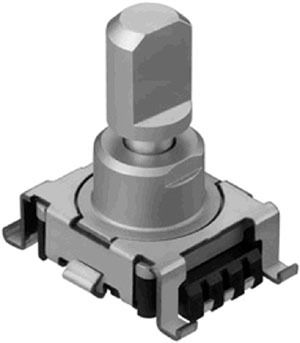
A potentiometer is also commonly known as apotmeterorpot. The most common form of potmeter is the single turn rotary potmeter. This type of pot is often used in audio volume control (logarithmic taper) as well as many other applications. Different materials are used to construct potentiometers, includingcarbon composition, cermet,wirewound, conductive plastic ormetal film.Reliable and Compact SMD DesignThis potentiometer features a compact, space-saving SMD (Surface Mount Device) format, making it perfect for modern electronic assemblies where board real estate is at a premium. The robust UL 94V-0 flame-retardant case enhances safety, while the blue and white design aids visual identification during assembly and inspection.
Precision Adjustment and Versatile ApplicationWith its top adjust and metal wiper, this trimmer potentiometer delivers precise, single-turn resistance control across a broad range (100 Ohm to 1 Mega Ohms). It excels in a variety of settings, from consumer electronics and industrial controllers to medical devices and automotive modules, accommodating any project needing fine tuning.
High Performance and ComplianceEngineered with a cermet and metal composite resistive track, the device ensures reliable operation for up to 200 cycles. It operates over a wide temperature range (-55C to +125C), withstands input voltages up to 50V DC, and holds RoHS compliance, guaranteeing environmental friendliness and endurance for professional and industrial use.
FAQs of SMD Potentiometer:
Q: How is this SMD potentiometer adjusted during circuit tuning?
A: This potentiometer is adjusted from the top using a small screwdriver or tool, allowing precise resistance changes in real time. Its single-turn mechanism enables swift and accurate fine-tuning of electrical parameters right on the assembly.
Q: What are the main benefits of using this SMD potentiometer in electronic designs?
A: The primary benefits include its compact 4.5 mm package suitable for high-density layouts, reliable and repeatable adjustments, wide resistance range (100 Ohm1 Mega Ohms), and compliance with RoHS and UL 94V-0 safety standards, making it suitable for demanding environments.
Q: When should I choose a potentiometer with a metal wiper and cermet track?
A: A potentiometer with a metal wiper and cermet resistive track should be chosen for applications requiring high reliability, minimal wear over time, and stable performance across broad temperatures, such as in industrial controllers, automotive electronics, or medical devices.
Q: Where can this SMD potentiometer be installed?
A: This device is designed for surface mount technology (SMT) and can be installed on PCBs used in consumer electronics, industrial panels, medical device modules, automotive circuit boards, and a range of high-reliability systems.
Q: What is the process for integrating this potentiometer into an SMD PCB layout?
A: Integration involves placing the potentiometer footprint in your PCB layout software, ensuring proper pads for the 3-terminal interface, and using standard SMT soldering techniques (reflow soldering) to mount the component during assembly.
Q: How does the 20% tolerance affect its performance in critical applications?
A: While 20% tolerance allows for some variability in the exact resistance value, this level is common for trimmer potentiometers, which are primarily used for calibration and fine adjustment rather than absolute precision. For most tuning applications, this tolerance is typically acceptable.
 West Bengal, India






 Send Inquiry

 Send Inquiry


 Send Inquiry
 Send SMS


