MOSFET TRANSISTOR About
In electronics, the metaloxidesemiconductor field-effect transistor (MOSFET, MOS-FET, MOS FET, or MOS transistor) is a type of field-effect transistor (FET), most commonly fabricated by the controlled oxidation of silicon. It has an insulated gate, the voltage of which determines the conductivity of the device.
High Current and Voltage HandlingWith a current rating of 23A and voltage support up to 60V, this MOSFET can efficiently manage high loads in circuits requiring substantial power delivery. Its low RDS(on) minimizes energy loss, making it ideal for demanding applications such as motor drives and inverters.
Thermal Performance and ReliabilityEncapsulated in a thermally enhanced epoxy plastic body, this MOSFET dissipates up to 50W of power and operates reliably between -55C and +150C. Its high thermal conductivity and compatibility with heatsink mounting ensure stable operation under continuous and peak loads.
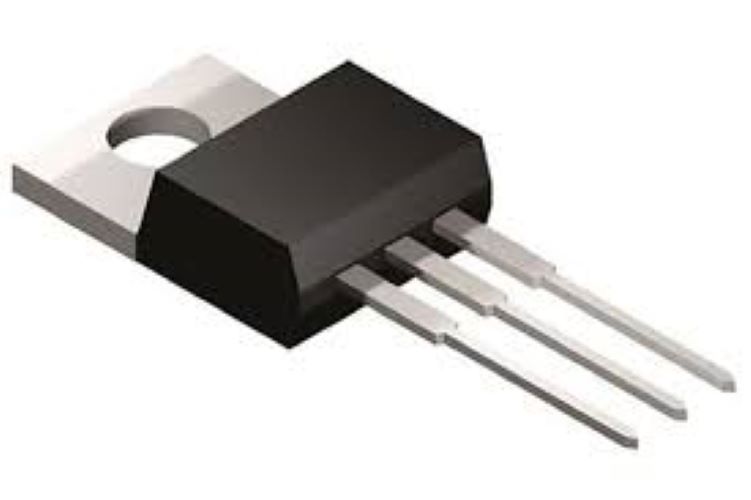
Versatile Applications and Easy MountingDesigned with a TO-220 through-hole package and three-pin interface, this component suits a variety of applications, including switching regulators and amplifier circuits. Its standard form factor and lead-free status allow straightforward integration into new or existing PCB designs.
FAQ's of MOSFET TRANSISTOR:
Q: How do I use this N-channel MOSFET transistor in my electronic circuit?
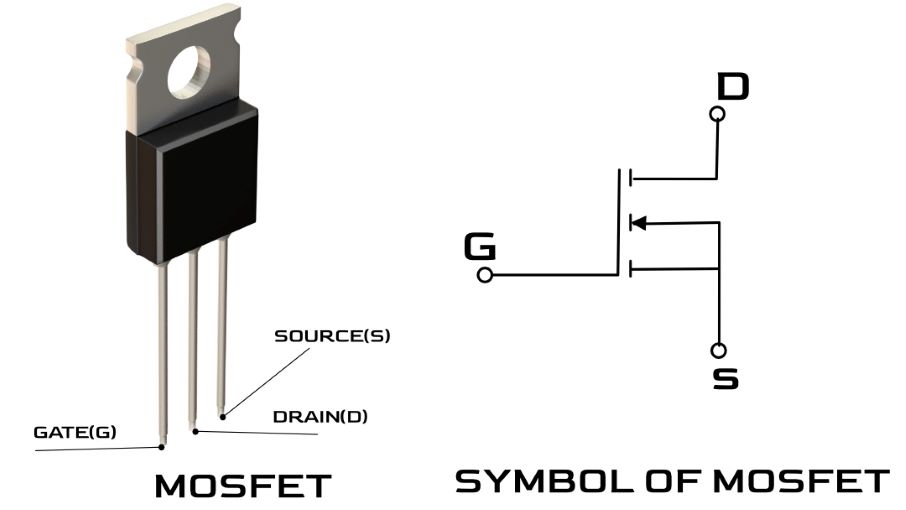
A: To use this MOSFET, connect the gate to the control voltage (2V to 4V threshold), the drain to your load, and the source to ground. When the appropriate gate voltage is applied, the transistor enables current flow between the drain and source, efficiently switching or amplifying signals as required.
Q: What are the main benefits of using this TO-220 MOSFET in power management applications?
A: Key benefits include its high current and voltage handling (23A, 60V), low on-resistance for minimal losses, rapid switching speeds (~20ns rise time), and robust thermal performance, making it ideal for reliable power management in demanding environments.
Q: When should I consider adding a heatsink to this MOSFET?
A: A heatsink is recommended when the transistor is expected to dissipate significant power, especially near its maximum rating of 50W or in continuous high-current applications. This ensures efficient thermal management and extends device longevity.
Q: Where is this MOSFET typically used?
A: This MOSFET is commonly used in switching regulators, motor drivers, inverters, amplifier circuits, and various power management systems that require reliable switching and amplification under high current conditions.
Q: How does the fast switching capability benefit my application?
A: With a rise time of 20ns and frequency support up to 100kHz, this MOSFET ensures rapid switching, reducing transition losses and increasing efficiency in circuits like switching power supplies and motor control systems.
Q: What steps are involved in mounting this MOSFET onto a PCB?
A: Place the TO-220 package into the through-hole footprints corresponding to the gate, drain, and source pins. Secure the MOSFET if needed, optionally attach a compatible heatsink, and solder the leads for firm electrical and mechanical connections.
Q: What RoHS compliance and reliability features does this MOSFET provide?
A: This MOSFET is RoHS compliant, meaning it is free of hazardous substances such as lead, making it suitable for environmentally conscious designs. Its high-performance packaging and broad temperature range further ensure long-term reliability.
 West Bengal, India





 Send Inquiry

 Send Inquiry


 Send Inquiry
 Send SMS
 Call Me Free


